This scenario involves multiple legal issues, including criminal negligence, breach of statutory duties, and potential liability under the Bharatiya Nyaya Sanhita (BNS), 2023, as well as insurance implications. Below is a detailed breakdown of the liabilities for each party involved:
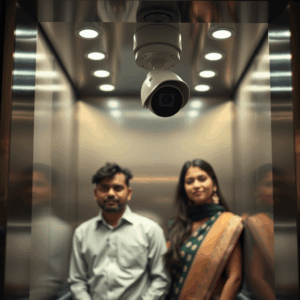
1. Managing Committee of the Society
Liabilities
Negligence and Breach of Duty
The managing committee is legally obligated to ensure the safety of residents and visitors under various laws, including the Lift Act (e.g., Maharashtra Lifts and Escalators (Safety) Rules, 2018). These regulations mandate that only licensed contractors perform work in lift shafts. By hiring an unlicensed installer for CCTV wiring in the lift shaft, the committee violated statutory safety norms.
Section 106(1) of BNS: “Causing death by negligence” applies if the accident resulted from the committee’s failure to adhere to safety protocols. Punishment includes imprisonment up to 2 years, a fine, or both.
Section 105 of BNS: If the accident caused death due to reckless disregard for human life, “culpable homicide not amounting to murder” could apply, with harsher penalties.
Civil Liability
Victims or their families can sue the society for compensation under the Indian Contract Act and tort law for failing to exercise due diligence in hiring licensed personnel. The society’s failure to ensure the competence and licensing of the CCTV installer could be seen as a breach of their duty of care.
2. CCTV Installer (Unlicensed)
Liabilities
Criminal Negligence
The installer acted unlawfully by performing work in a lift shaft without a license, directly violating the Lift Act. If their wiring caused the accident:
Section 106(1) of BNS: Applies for causing death/injury due to negligence.
Section 303(2) of BNS: If the installer’s actions amounted to theft or mischief (e.g., faulty wiring), penalties include imprisonment up to 3 years or a fine.
Contractual Breach
If the contract with the society required proper licensing, the installer may face civil liability for damages. The society could sue the installer for any losses incurred due to the accident, including medical expenses, property damage, and legal fees.
Insurance Implications
The installer’s insurance will likely deny coverage, as unlicensed work voids liability claims. This means the installer would be personally liable for any damages awarded to the victims.
3. Lift Maintenance Operator
Liabilities
Failure to Detect Hazards
The operator, under a maintenance contract, is duty-bound to inspect the lift regularly. If they failed to identify the unauthorized CCTV wiring or report safety risks:
Section 106(1) of BNS: Could apply if their negligence contributed to the accident.
Breach of Contract: The society may sue for failing to uphold contractual obligations.
Insurance Implications
The operator’s insurance may deny claims if their negligence (e.g., ignoring safety protocols) exacerbated the accident. This could leave the operator personally liable for any damages.
4. Insurance Implications
Society’s Insurance
Coverage for third-party injuries may be denied if the accident arose from illegal acts (e.g., hiring unlicensed workers). Policies often exclude risks from non-compliance with statutory laws. The society should review its insurance policy to understand the extent of coverage and any exclusions that may apply.
Installer’s Insurance
Claims for liability or property damage will likely be rejected due to unlicensed operations. The installer should be aware that their lack of licensing could result in significant personal financial liability.
Maintenance Operator’s Insurance
Coverage may be voided if the operator failed to fulfill inspection duties under the Lift Act. The operator should ensure that all inspections are thoroughly documented to protect against potential liability.
Key Legal Provisions
Section 105 (Culpable Homicide Not Amounting to Murder)
Applies if the accident resulted from a reckless disregard for human life (e.g., knowingly allowing unlicensed work in a high-risk area like a lift shaft). This section carries severe penalties, including imprisonment and fines.
Section 106(1) (Causing Death by Negligence)
Directly relevant if the accident stemmed from gross negligence (e.g., faulty wiring, failure to inspect). This section is often used in cases where negligence leads to fatal accidents.
Lift Act and Rules
Violations of licensing requirements attract penalties under state-specific laws (e.g., fines or imprisonment for unlicensed work). It is crucial for all parties to comply with these regulations to avoid legal consequences.
Conclusion
Managing Committee: Liable for negligence under Sections 105/106(1) and civil compensation. The committee must ensure that all contractors are properly licensed and that safety protocols are followed.
CCTV Installer: Criminal liability for unlicensed work and negligence; insurance protection denied.
The installer should obtain the necessary licenses and ensure that all work is performed safely and legally.
Maintenance Operator: Shared liability if they failed to detect hazards; insurance claims at risk.
The operator must conduct regular inspections and report any safety issues promptly.
Insurance: Most policies will exclude coverage due to statutory violations. All parties should review their insurance policies to understand the extent of coverage and any exclusions that may apply.
Recommendation
All parties must strictly comply with licensing requirements for lift-related work. Societies should verify licenses, and insurers must include clauses excluding coverage for illegal acts. Victims should consult a lawyer to pursue compensation under civil and criminal law. It is also advisable for the society to conduct regular safety audits and training sessions to ensure compliance with all relevant laws and regulations.